

Nortel Networks
Making a large technical library readable, consistent, and ready to publish
At Nortel Networks, my work centered on technical publishing: editing, writing, diagrams, illustrations, and the coordination of material contributed by multiple writers. This was an assignment where the details mattered at every level—from the wording of an instruction to the organization of a manual containing thousands of pages.
Another technical publications publisher/editor and I managed submissions from two teams of eight writers. Chapters arrived in weekly, monthly, and quarterly revision cycles. We reviewed the material, documented errors, and worked with the writers to correct and clarify it before publication. The manuals were typically 3,500 pages or more, printed for distribution to departments throughout Nortel.
- Technical publishing
- Editing and writing
- Diagrams and illustrations
- Two teams of eight writers
- Two publishers/editors
- Collaborative review
- Weekly revision cycles
- Monthly revision cycles
- Quarterly revision cycles
- Large technical manuals
- Print preparation
- Departmental distribution
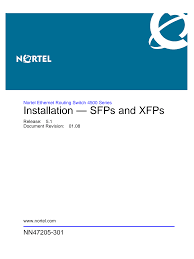
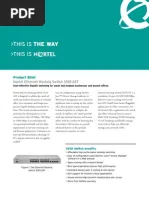
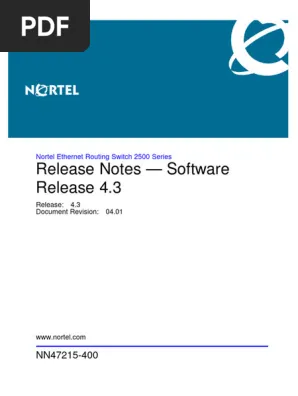
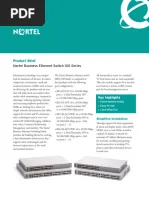
Sixteen writers. Recurring revisions. One coherent publication.
A large manual cannot read like sixteen separate documents. The publishing task connects individual contributions into a usable whole: terminology needs to stay consistent, related sections need to agree, and the reader needs to understand how an explanation, illustration, and instruction fit together.
Editorial review therefore reaches beyond spelling and punctuation. It asks whether the wording is clear, whether the information is presented in a useful order, and whether the reader has enough context to understand the next step. A small ambiguity can become more difficult to resolve when it appears inside a publication of this scale.
A repeatable path from submission to publication
- Writer submissions
- Editorial review
- Error documentation
- Writer collaboration
- Revised publication
The recurring revision schedule made communication with the writing teams essential. Recording an error gave the team a specific issue to resolve. Reviewing the correction helped keep that change connected to the surrounding chapter and the broader publication.
That rhythm—receive, review, clarify, revise, publish—gave the editorial work a practical structure. It also meant that attention to detail had to be sustained across successive versions rather than concentrated only at the end of an assignment.
Writing and illustration serve the same reader
Diagrams and illustrations are another part of the explanation. A clear visual can show a relationship that would take several paragraphs to describe; the accompanying text supplies the purpose, sequence, or qualifications the image cannot communicate on its own.
In technical publishing, those elements need to support each other. Good typography and layout help a reader distinguish headings, instructions, labels, and supporting information. Clear editing helps ensure that the visual presentation carries a precise message.
The discipline behind the finished document
Nortel represents the editorial and production side of my portfolio: working with contributors, maintaining clarity through revisions, and preparing substantial technical material for publication. It is a useful companion to the Honeywell Airfield Systems project, where product photography, technical imagery, and multimedia catalog design brought related communication skills into a different format.